
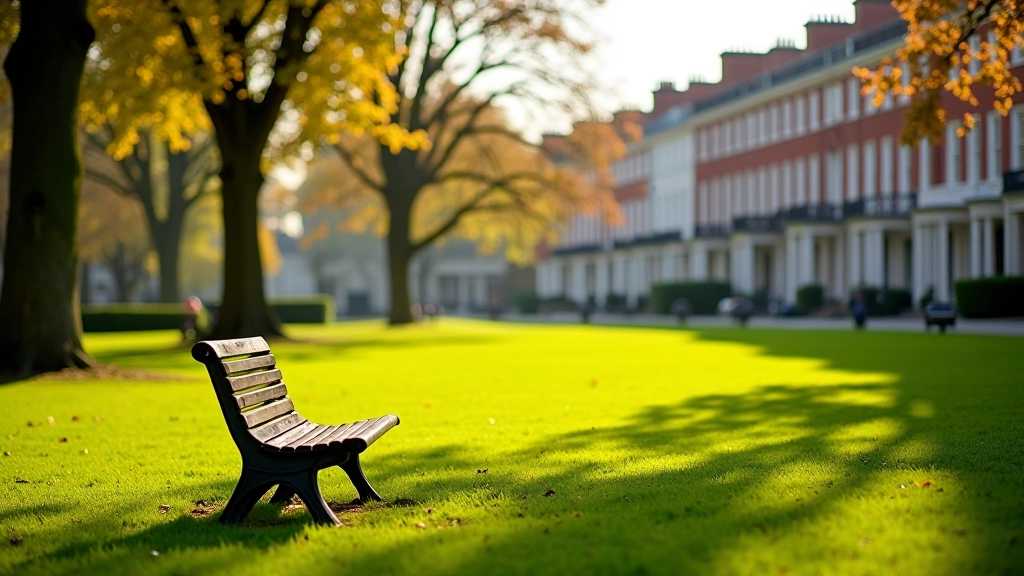
Merrion Square: A Walking Guide for Retirees
Explore Dublin's most prestigious square at your own pace. We've mapped out benches, rest spots, and architectural highlights.
Timing matters. We'll help you choose the best days and times to visit, avoid crowds, and make the most of Dublin's elegant Georgian quarters.

The best time to explore Dublin's Georgian squares isn't just about weather—it's about experience. You'll want to avoid the summer crush while still enjoying pleasant conditions. Late spring and early autumn are ideal. We're talking late April through May, or September and early October.
Weekday mornings are your secret. Between 10 AM and 12 PM on a Tuesday or Wednesday, you'll find the squares peaceful. The school groups have moved on, the office workers haven't taken their lunch breaks yet, and you've got room to actually sit and breathe.
You don't need much, but what you bring matters. A comfortable pair of walking shoes—we're not talking fancy trainers, just something with proper arch support. You'll be on your feet for maybe 45 minutes to an hour.
Bring water. A small bottle is enough. Dublin's squares aren't deserts, but you'll appreciate having a sip, especially on warmer days. A lightweight jacket works year-round here—Irish weather changes its mind constantly, and you don't want to be stuck in the rain without a layer.
Your phone for photos is natural, but consider bringing a small notebook too. The architectural details in these squares—the ironwork, the door colours, the plaques—they're worth jotting down. It slows you down in the best way.
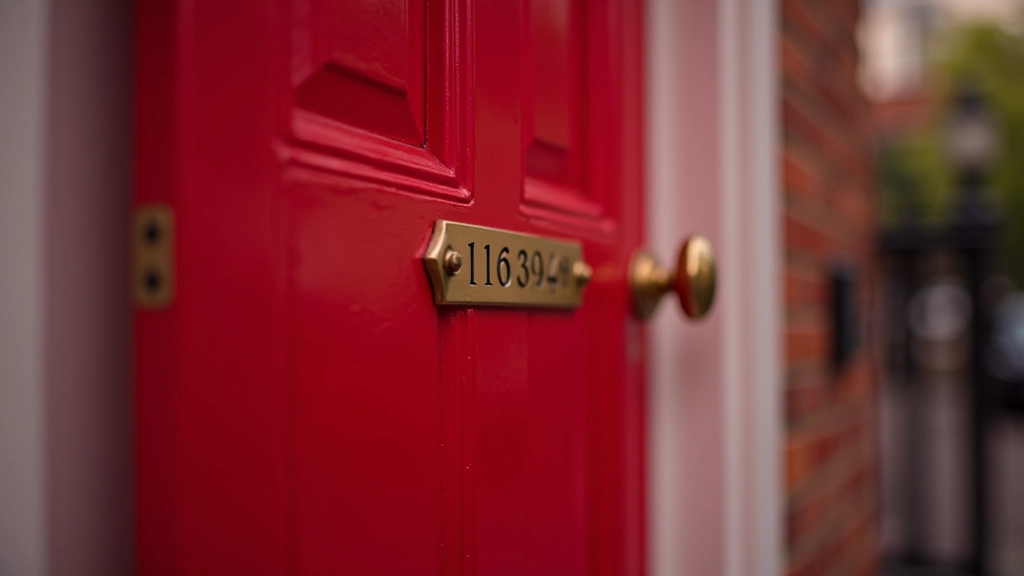
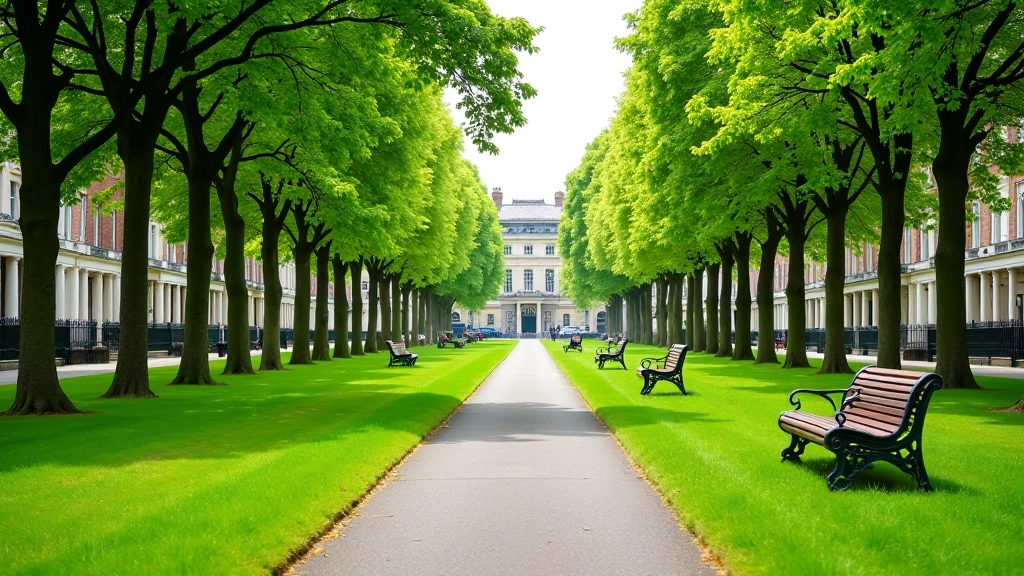
Merrion Square gives you about 40 minutes of walking if you're not rushing. The full perimeter is roughly 800 metres. Don't just circuit the outside though—cut through the middle. The park has these quiet pathways you won't find in guidebooks. There's a reason Oscar Wilde lived here.
Fitzwilliam Place is shorter but feels more intimate. It's a street rather than a square, running just over 200 metres. The key here isn't speed. It's stopping. There's a bench about halfway along that catches the afternoon sun perfectly, and from there you can see the Dublin Mountains in the distance. That's worth your whole trip right there.
If you combine them, you're looking at roughly 90 minutes total, including sitting time. Not exhausting. Actually restorative.
Here's how a solid afternoon walk actually flows. You'll arrive around 10:30 AM. That gives you a quiet window before the crowds build. Spend your first 15 minutes just walking the perimeter slowly. You're not sightseeing yet—you're settling in, letting your pace find its rhythm.
Next 20–25 minutes: Stop and actually look at things. Pick one side of the square and study the doors. Count the different window styles. Read the plaques. This isn't filler time—it's the whole point. You'll notice things you'd miss walking at normal speed.
Final 15–20 minutes: Sit. Pick your bench—preferably one with some sun. Watch the city move around you. Watch other people. You've earned this. Don't feel rushed.
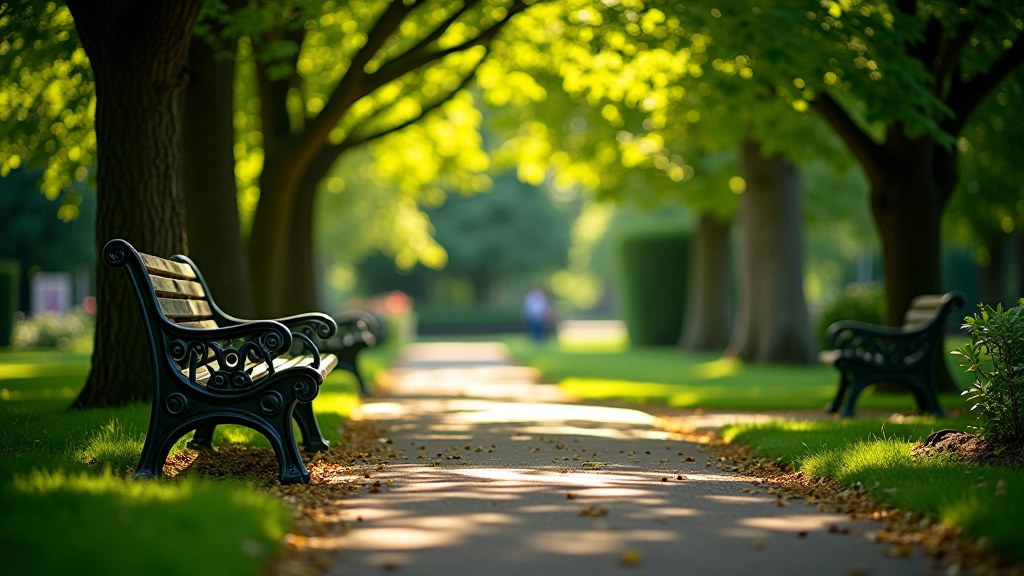
Dublin in June averages about 15°C. That's cool, not cold. By September it's roughly the same. October drops to about 12°C. None of this is harsh if you're dressed properly—and honestly, a bit of cool air makes walking feel better. You're not overheating. Your legs feel fresher.
Dublin's rainy maybe 40% of days across the year. But here's what people don't tell you: Irish rain often comes in light drizzle, not downpours. You can walk through it. Just bring that jacket. And honestly? The squares look beautiful in the rain. Fewer people. Quieter. The stone is darker, richer. Some visitors actually prefer it.
Merrion Square's south side gets the best afternoon sun. If that's where you're heading, aim for 2–4 PM instead of morning. It's not crowded at that time in shoulder seasons, and the light transforms the whole place.
May is when the plane trees are thick with leaves—perfect shade. September still has summer greenery. October and November? The squares feel more austere, more architectural. Less green, more stone and building detail. Choose based on what appeals to you.
You don't need a guidebook. Walk it yourself first. Notice what catches your eye. Then, if you want deeper history, there are plaques everywhere. You're discovering, not following someone else's route.
You're not checking boxes. If you've got somewhere to be at 1 PM, don't start at 11:45 AM. You'll feel rushed. These walks deserve breathing room. Aim for a 2-hour window minimum.
These squares have uneven pavements in places. Older stone gets worn. Walk them on a quiet weekday first to get a feel for the terrain before you plan a longer exploration.
These walks are perfect solo, but they're equally good with someone. The conversation flows differently in these quiet spaces. No pressure either way—just know it's fine to go alone.
You're not trying to "do" a Georgian square. You're not collecting experiences for Instagram. You're taking an afternoon to walk through spaces that have stood for centuries, designed with intention, maintained with care. You're noticing things. You're sitting quietly. You're letting your mind settle.
That's the whole thing. Pick a Wednesday. Pack your water. Wear something comfortable. Go when it feels right. The squares will be there. They'll have been there since the 1700s. They're not going anywhere. Neither should you—not in a hurry, anyway.

Senior Heritage and Leisure Writer
Heritage writer specialising in Dublin's Georgian architecture and accessible walking routes for older adults, with 14 years of published work on the city's historic squares.
This article is provided for informational and educational purposes only. Walking routes, timings, and crowd patterns described are based on general observations and can vary depending on events, seasons, and local circumstances. Always check weather forecasts and local updates before planning outdoor activities. If you have mobility concerns or health conditions, consult with your doctor before undertaking extended walking routes. Dublin's streets and squares are public spaces—conditions may change, and safety considerations vary by individual. This content is not a substitute for personal judgment or local guidance.
Explore Dublin's most prestigious square at your own pace. We've mapped out benches, rest spots, and architectural highlights.
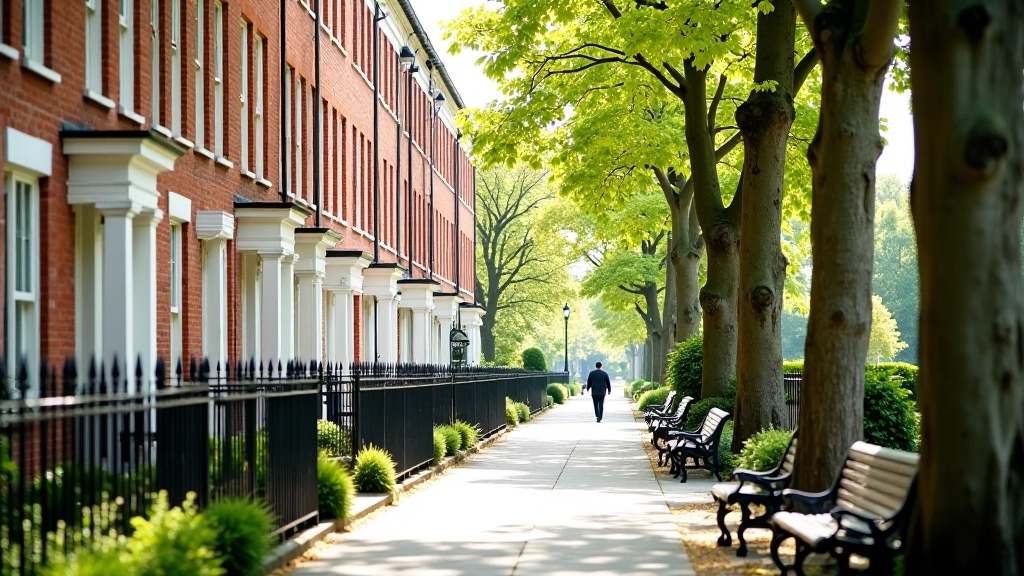
This refined Georgian street offers some of Dublin's most serene walking opportunities, perfect for a peaceful afternoon.
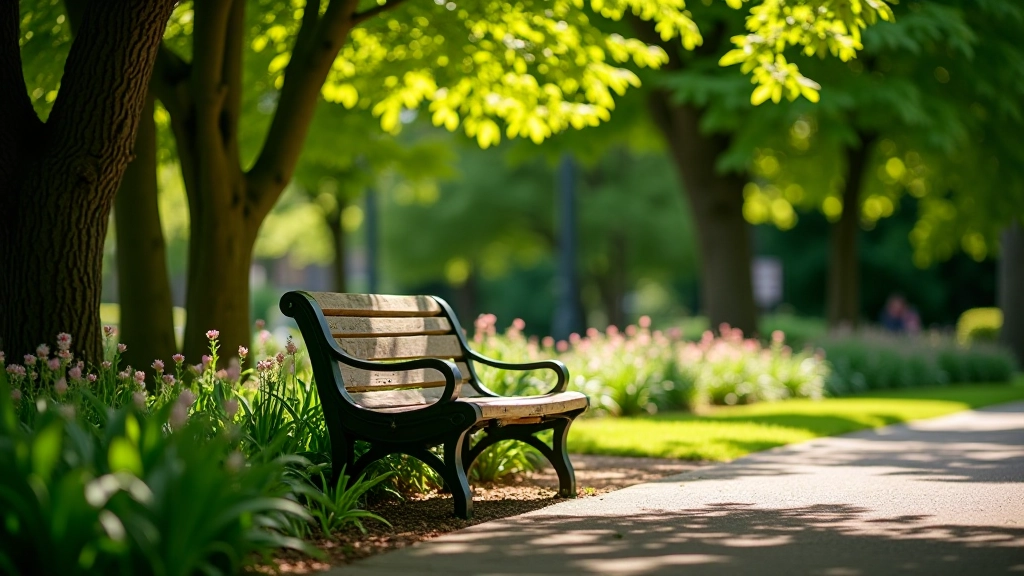
Not all benches are created equal. We've identified the most comfortable spots across Dublin's historic squares.