
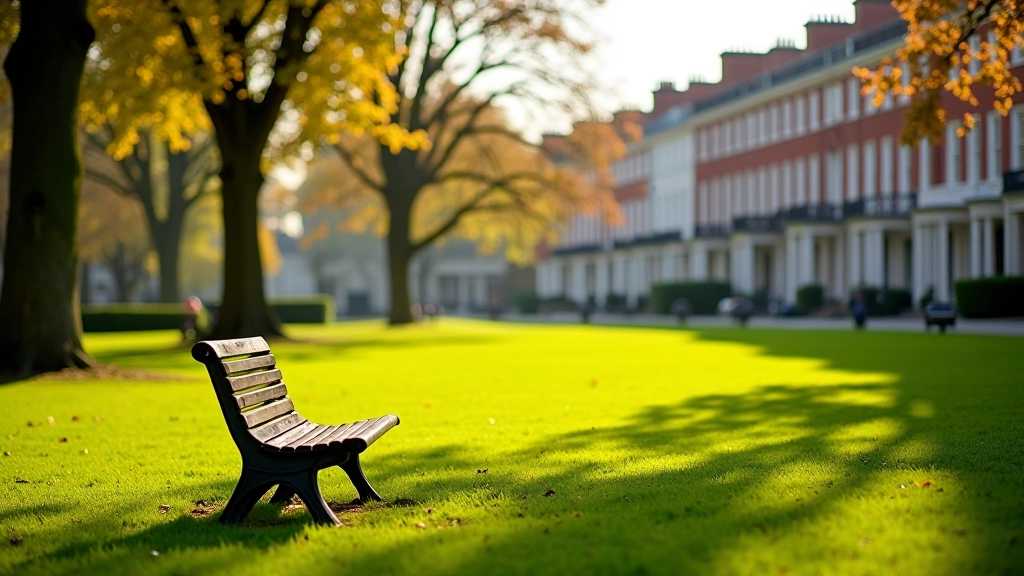
Merrion Square: A Walking Guide for Retirees
Explore Dublin's most prestigious square at your own pace. We've mapped out benches, heritage highlights, and quiet corners.
This refined Georgian street offers some of Dublin's most serene walking opportunities. Discover hidden gardens, historic details, and perfect spots to rest.
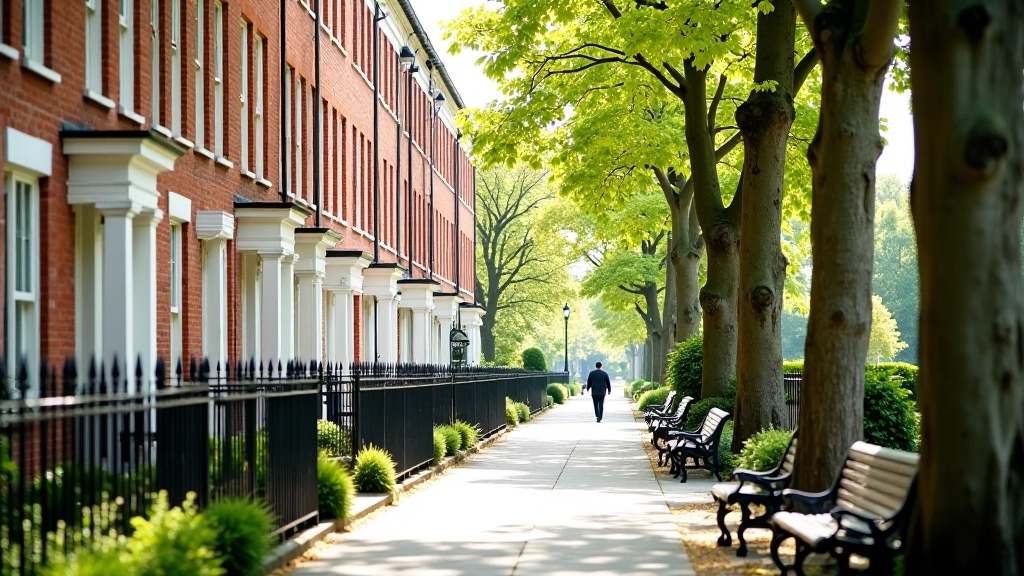
Fitzwilliam Place isn't the most famous Georgian square in Dublin — and that's exactly why it's worth your time. You'll find fewer crowds here, which means you can actually enjoy the architecture without dodging tour groups. The street stretches between Leeson Street and Fitzwilliam Square, and it's lined with pristine townhouses that date back to the 1780s.
The real charm? It's genuinely quiet. Trees line both sides of the street, gardens peek over railings, and there's an almost village-like feel despite being right in the heart of Dublin. If you're looking for a walk that doesn't feel rushed or crowded, this is it.
Late morning (10am-12pm) or early afternoon (2-4pm) when the light hits the facades beautifully and foot traffic is minimal.
The full street takes about 20-25 minutes at a comfortable pace, though you'll want to slow down to appreciate the details.
Flat, well-maintained pavements throughout. Easy walking for all abilities, no steep sections or uneven surfaces.
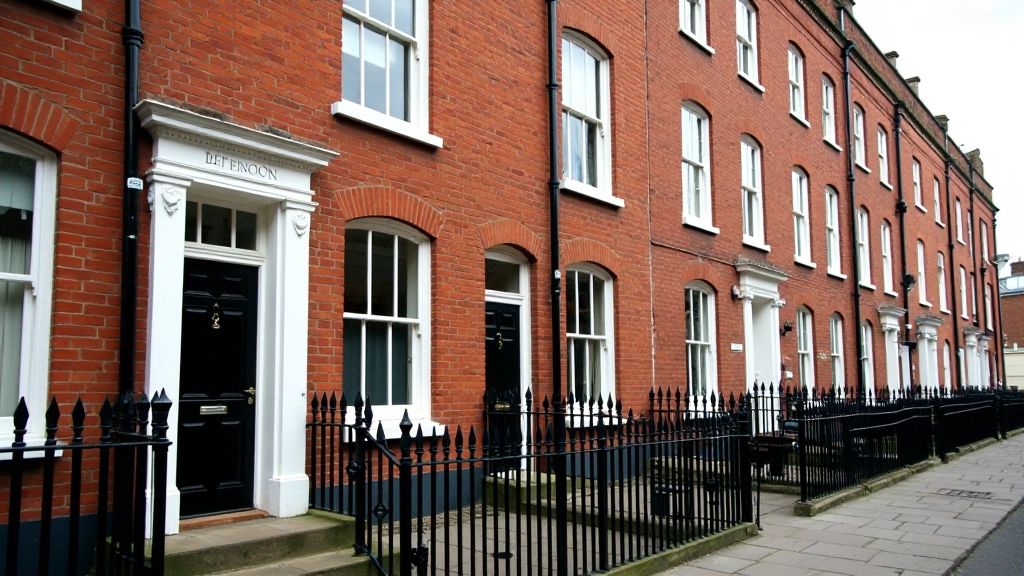
What you're seeing on Fitzwilliam Place is late Georgian architecture at its finest. These aren't the showy, ornate townhouses you might expect. Instead, they're elegant in their restraint — tall sash windows, understated fanlights above the doors, and brick facades that've mellowed beautifully with age. The red brick has weathered to a soft rust-orange that catches the afternoon light perfectly.
Pay attention to the door surrounds. You'll notice detailed ironwork railings, some with intricate patterns, others more minimal. The basement areas are sunken — this was standard in Georgian Dublin, giving servants separate access and natural light below street level. It's a design feature that's easy to miss if you're walking quickly, but it tells you something about how these houses functioned.
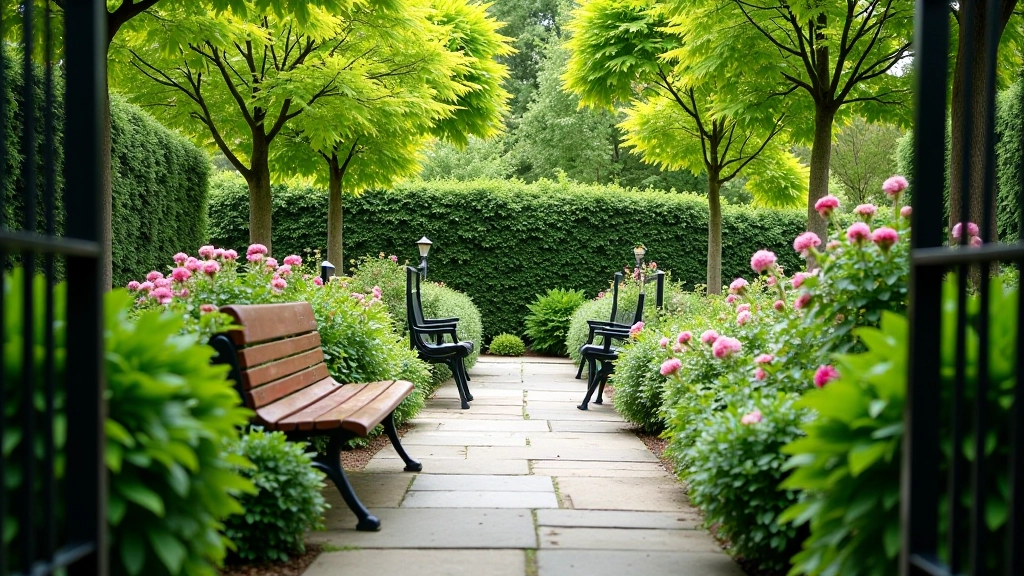
One of the best parts of walking Fitzwilliam Place? The gardens. These aren't public spaces — they're private gardens that belong to the residents — but you can see them through the railings. In spring and summer, they absolutely burst with colour. Wisteria cascades over walls, roses climb trellises, and the greenery is genuinely lush.
Even in winter, there's something lovely about seeing the bare branches and evergreens through the railings. You're getting a genuine glimpse into how Dubliners actually live in these historic homes, not a sanitized tourist version. Some of the older residents have been maintaining their gardens for decades, and you can tell the care that goes into them.
Fitzwilliam Place itself doesn't have benches directly on the street — it's lined with private railings and gates. But don't worry. You're never more than a few minutes from excellent sitting spots.
Just east of the street. This is a proper public square with well-maintained benches dotted around the gardens. The railings are lower here, so you've got open views rather than feeling enclosed. Good shade in the afternoons from the mature trees.
Where Fitzwilliam Place meets Leeson Street, there's a small area with benches and a bit of breathing room. Busier spot due to traffic, but still quieter than most Dublin streets. Good for people-watching if that's your thing.
A 5-minute walk south brings you to Merrion Square, which has plenty of benches, more shade, and a genuinely pleasant atmosphere. Perfect if you want a longer rest after your Fitzwilliam Place walk.
Here's what separates a pleasant walk from a really memorable one: paying attention to the small details. On Fitzwilliam Place, there's plenty to notice if you slow down.
Look at the door numbers. Most are brass or painted wood, and they've got genuine character. Some houses have beautiful planters by their doors — the residents here take pride in their frontages. The lamp posts are period gas lamps (now converted to electric), which add to the whole authentic feel.
You'll also notice the pavement itself is original Victorian granite setts in many places. It's been worn smooth by over 200 years of footsteps. That's not something you see everywhere in Dublin anymore, and it really adds to the sense of walking through history.

Fitzwilliam Place runs between Leeson Street and Fitzwilliam Square. Luas stop at Charlemont (red line) is about 10 minutes' walk. Plenty of bus routes pass nearby. If you're driving, street parking can be tight but it's available.
Leeson Street has plenty of cafés and restaurants. Head south to Merrion Square area for more options in a quieter setting. There's a small coffee spot on the corner of Fitzwilliam Street that's been there for years.
The street has good tree cover, which helps with shade and shelter. Bring a light jacket even in summer — Dublin can be breezy. Winter walks are brilliant too; the bare trees give you better views of the architecture.
Fitzwilliam Place isn't going to give you dramatic views or famous landmarks. It won't be packed with other tourists, and you won't need to queue for anything. What you will get is authenticity. You'll walk through a piece of Dublin that's genuinely lived in, genuinely maintained, and genuinely beautiful in its understatement.
It's the kind of walk you'll find yourself thinking about later — not because something spectacular happened, but because you actually saw Dublin as it is, not as a postcard. The tree-lined street, the glimpses into private gardens, the weathered brick, the quiet afternoons. That's the real Dublin, and it's waiting for you on Fitzwilliam Place.
Plan an hour if you want to really take your time. Bring comfortable shoes (though you won't need them for anything strenuous). And don't rush through the quiet bits — those are the bits you'll remember.
This guide is intended for informational purposes only. Walking routes, facilities, and accessibility features may change. Always be aware of your surroundings, follow local traffic rules, and dress appropriately for weather conditions. If you have mobility concerns, check with local authorities about current accessibility. Gardens and private spaces described are visible from public streets only — they're private property and aren't open to the public.

Senior Heritage and Leisure Writer
Heritage writer specialising in Dublin's Georgian architecture and accessible walking routes for older adults, with 14 years of published work on the city's historic squares.
Explore Dublin's most prestigious square at your own pace. We've mapped out benches, heritage highlights, and quiet corners.
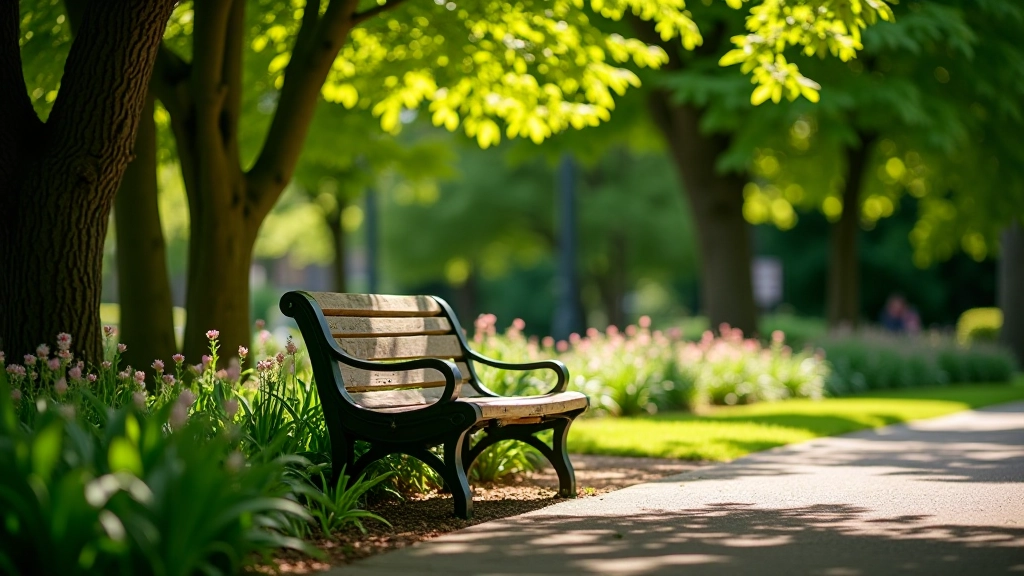
Not all benches are created equal. We've identified the most comfortable spots across Dublin's historic squares.

Timing matters. We'll help you choose the best days and times to visit, avoid crowds, and make the most of your walk.